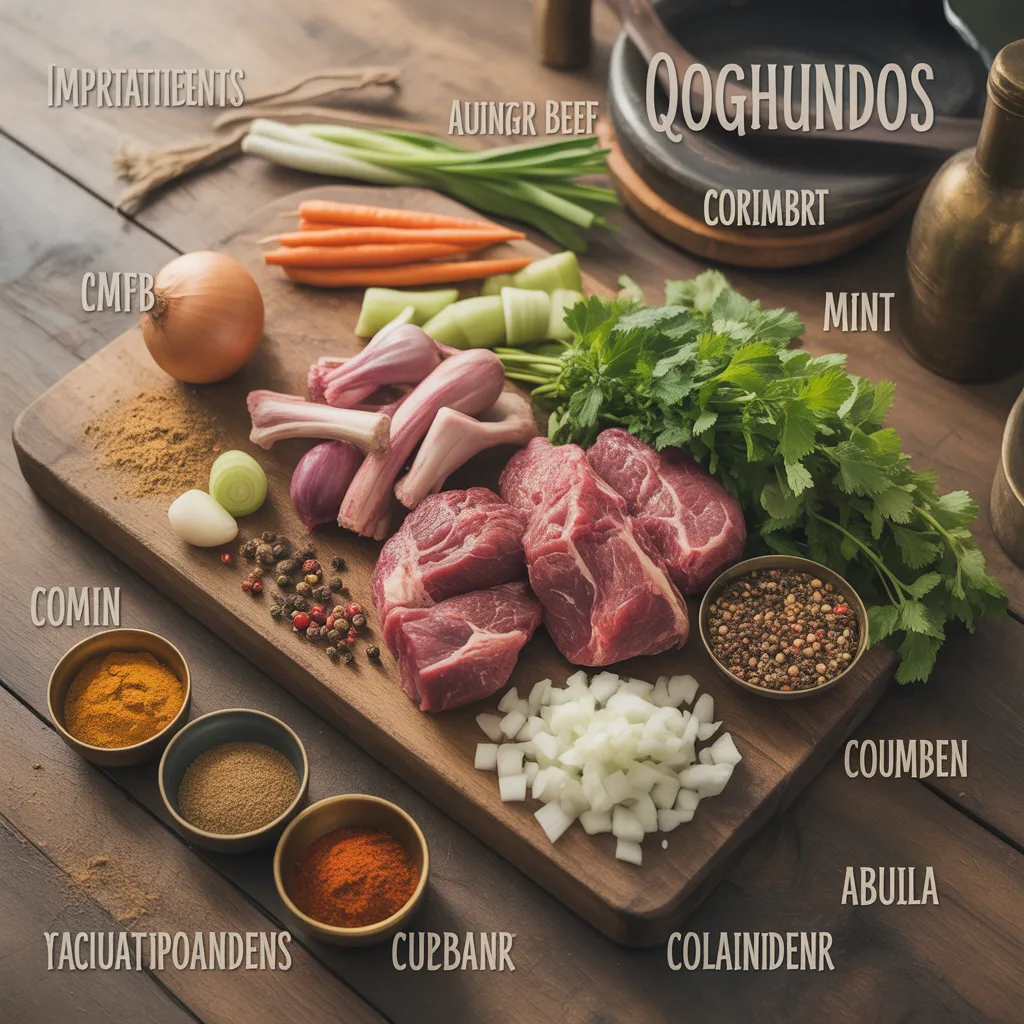
Qoghundos Ingredients: Vital Truths & Hidden Risks
You know that feeling when you bite into something delicious and suddenly have to know what’s actually inside it? I’ve been there more times than I can count. Whether you are a dedicated foodie, someone who loves exploring global cuisine, or just a curious home cook, understanding what goes into your food is empowering. Today, we are pulling back the curtain on a fascinating topic: the ingredients in qoghundos.
This isn’t just about listing names on a package. We are going to explore the building blocks that give qoghundos their distinctive character. We will look at the traditional foundations, the modern twists, and the subtle details that separate a high-quality product from a mediocre one. By the end, you will feel confident knowing exactly what to look for, what to ask about, and how to spot the hidden details that matter most. Let’s dive into the details that make qoghundos such a unique culinary experience.
The Foundation: Core Ingredients in Qoghundos
Every memorable dish starts with a solid foundation. When we talk about the primary ingredients in qoghundos, we are looking at a combination of elements that work together to create a specific taste and texture. Think of it like a symphony—each component has a role, and when they are balanced correctly, the result is harmonious.
The Base Components
At its heart, the base of qoghundos typically relies on a few key staples. These are the non-negotiables that define the product’s identity. The first is often a type of flour or grain, which provides the structure. Depending on the regional variation, this could be anything from finely milled wheat to a more rustic blend. The choice of grain affects not only the texture but also the final color and how well it pairs with other ingredients.
Then, there is the liquid element. Water is the most common, but some traditional recipes incorporate milk or even a light broth to add richness. This liquid hydrates the dry ingredients and activates the proteins and starches. The temperature of this liquid matters too. I have noticed that using warm liquid can lead to a softer, more pliable result, while cold liquid tends to create a firmer, denser structure.
Fats and Their Role
Fats are where things get interesting. The type of fat used in qoghundos significantly influences the final mouthfeel and flavor. You will often see butter, oil, or a rendered animal fat being used. Each choice brings something different to the table.
-
Butter: Adds a creamy, rich taste and a tender crumb.
-
Oil: Creates a lighter, often crispier texture.
-
Rendered Fat: Provides a savory depth and a unique flakiness that is hard to replicate.
I once tried two versions side by side—one made with a high-quality butter and another with a neutral oil. The difference was night and day. The butter version felt indulgent and aromatic, while the oil version was lighter and allowed the other flavors to shine through more clearly.
The Flavor Profile: Herbs, Spices, and Seasonings
This is where the personality of qoghundos really comes alive. The blend of herbs and spices is often a closely guarded secret, passed down through generations or perfected by artisans over years. These ingredients do more than just add taste; they create a sensory experience that can transport you.
Common Aromatics
Most recipes start with a base of aromatics. Onion and garlic are almost universal, providing a savory foundation that supports everything else. You might find them used fresh, dried, or even roasted to bring out their natural sweetness. The way these are prepared changes the final profile dramatically. Fresh aromatics give a sharp, pungent kick, while roasted versions offer a mellow, caramelized note.
Beyond the basics, you will often encounter a range of warming spices. Cumin, coriander, and black pepper are frequent players, offering earthy and slightly floral notes. Some variations introduce a touch of heat with chili flakes or a hint of sweetness with cinnamon or cardamom. The balance here is delicate. A skilled maker knows exactly how to layer these flavors so that no single spice overpowers the others.
Salt and Acidity
Never underestimate the power of salt and an acidic element. Salt is a flavor enhancer; it brightens all the other ingredients in qoghundos and helps to marry them together. Without the right amount of salt, even the best spices can taste flat.
Acidity, often from a splash of vinegar or citrus juice, serves as a counterpoint to the richness of the fats. It cuts through heaviness and adds a subtle tang that keeps your palate engaged. I have found that a touch of acidity can elevate a good version of qoghundos to a great one, adding that elusive “something” that makes you reach for another bite.
Modern Variations and Alternative Ingredients
Food evolves, and qoghundos are no exception. As dietary preferences and culinary creativity expand, so do the options available. Today, you can find versions that cater to different needs without sacrificing the essence of what makes them special.
Gluten-Free and Grain-Free Options
For those avoiding gluten, makers have started experimenting with alternative flours. Rice flour, almond flour, and chickpea flour are popular substitutes. Each brings its own texture and flavor profile.
-
Rice flour: Produces a light, slightly crisp texture.
-
Almond flour: Adds moisture and a nutty undertone.
-
Chickpea flour: Contributes a hearty, savory quality.
These alternatives often require adjustments to the liquid ratios and binders. You might see ingredients like xanthan gum or psyllium husk added to mimic the structural properties of gluten. While the texture might differ slightly from a traditional version, the flavor can still be remarkably authentic.
Plant-Based Substitutions
Another growing trend is the shift toward plant-based ingredients. Instead of animal fats, makers are using coconut oil, avocado oil, or high-quality vegan butter. The goal is to replicate the richness and flakiness that fats provide.
Similarly, the savory depth that once came from meat-based broths is now achieved with mushroom powder, miso, or nutritional yeast. These ingredients are clever because they add umami—that savory, satisfying taste—without relying on animal products. I have been impressed by how well these substitutions work when done thoughtfully. The result is a product that feels inclusive while still honoring the traditional spirit of qoghundos.
What to Look For: Quality Markers and Red Flags
Navigating the world of qoghundos can be easier when you know what to look for. Whether you are buying a pre-made version or choosing ingredients to make your own, certain signs indicate quality, while others suggest you might want to look elsewhere.
Positive Indicators of Quality
When you are examining a product, here are a few good signs to watch for:
-
Short ingredient list: This often means fewer fillers and more real food.
-
Recognizable names: If you can pronounce and understand every ingredient, that is a strong positive.
-
Specific sourcing: Products that mention the origin of their key ingredients (like “European butter” or “heirloom grains”) often prioritize quality.
-
Clear fat content: High-quality versions will use a visible, high-grade fat source.
Red Flags to Avoid
On the flip side, there are some things that should give you pause:
-
Long lists of unpronounceable ingredients: This can indicate preservatives, artificial flavors, or stabilizers.
-
Vague terms: Words like “spices” without specification can hide low-quality blends.
-
Excessive fillers: Ingredients like modified starches or excessive sugars that don’t add to the flavor or texture.
-
Unnatural colors: A vibrant, unnatural hue is often a sign of artificial coloring.
I remember picking up a package once that boasted a “homemade taste” but had a list of ingredients longer than my arm. The first few items were refined flours and industrial oils, and the spices were listed simply as “natural flavors.” It tasted flat and greasy. That experience taught me to always flip the package over and read before I buy.
The Role of Preservatives and Additives
This is a topic that comes up often in conversations about food. The ingredients in qoghundos can sometimes include preservatives or additives, especially in commercially produced versions. Understanding why they are used can help you make an informed choice.
Why They Are Used
Preservatives serve a purpose: they extend shelf life, maintain texture, and prevent spoilage. For a product that needs to travel long distances or sit on a shelf, these additions can be necessary. Common preservatives you might encounter include calcium propionate to prevent mold or citric acid to maintain freshness.
Additives like emulsifiers help keep fats and liquids from separating. They ensure that the texture remains consistent from the day it is made until the day you open it. Without them, the product might dry out or become oily much faster.
Making a Conscious Choice
Not all preservatives are created equal, and it is okay to decide what works for you. Some people prioritize a completely additive-free product and are willing to buy from local makers with a shorter shelf life. Others appreciate the convenience of a longer-lasting option.
If you are concerned, look for products labeled with terms like “no artificial preservatives” or “minimally processed.” Also, consider where you are buying from. A local vendor might be able to tell you exactly what is in their qoghundos and how they keep them fresh. That direct connection is something I personally value—it adds a layer of trust and transparency that a mass-produced label sometimes lacks.
Making Your Own: A Look at Home Preparation
There is a special satisfaction that comes from making something from scratch. If you are curious about the ingredients in qoghundos, preparing them at home is the ultimate way to control every element. It allows you to tailor the recipe to your taste and dietary needs.
Essential Ingredients for a Home Version
To start, you will need a few basic categories of ingredients:
-
Dry base: Your choice of flour or grain.
-
Fat: Butter, oil, or a rendered fat of your choice.
-
Liquid: Water, milk, or broth.
-
Seasonings: Your preferred blend of salt, spices, and aromatics.
-
Leavening (if needed): Depending on the style, you might use baking powder or yeast.
The beauty of making your own is the freedom to experiment. Want a spicier kick? Add more chili. Prefer a more aromatic profile? Increase the cumin and coriander. You are in the driver’s seat.
A Personal Tip
One thing I have learned from making my own versions is to pay attention to the resting time. Letting the dough or mixture rest allows the flour to fully hydrate and the flavors to meld together. It is a simple step that many recipes gloss over, but it makes a noticeable difference. I usually let mine rest for at least thirty minutes before the final preparation. The result is always more cohesive and flavorful.
Nutritional Considerations
Beyond the taste and texture, it is worth considering the nutritional side of things. The ingredients in qoghundos determine its nutritional profile, and being aware of this can help you enjoy them as part of a balanced lifestyle.
Caloric Density
Given the presence of fats and flours, qoghundos can be calorically dense. That is not inherently a bad thing—it simply means they are designed to be satisfying. The key is moderation. A high-quality version made with wholesome fats and grains can be a nourishing part of a meal, providing sustained energy.
Hidden Nutrients
Depending on the ingredients, there can be hidden nutritional benefits. If whole grains are used, you get fiber. If herbs and spices are abundant, you get antioxidants. If a quality fat like butter or olive oil is used, you get beneficial fatty acids. The more whole and minimally processed the ingredients, the more likely you are to get these added benefits.
Conversely, versions made with refined flours and industrial oils will have less nutritional value. They might offer a quick energy boost but lack the staying power of their more wholesome counterparts. When I am choosing, I always ask myself: is this ingredient adding flavor and nourishment, or is it just taking up space?
Common Misconceptions About Qoghundos Ingredients
Let’s clear up a few misunderstandings that tend to circulate. There is a lot of talk about what should be in qoghundos, but not all of it is accurate.
Misconception 1: Traditional means simple.
While traditional recipes often have short lists, they can also involve complex techniques and hard-to-source ingredients. The simplicity of the list does not always reflect the skill required to execute it.
Misconception 2: All fats are the same.
This is far from true. The source and quality of the fat are paramount. A high-quality, grass-fed butter will produce a vastly different result than a generic vegetable oil blend. The flavor, texture, and even the way it sits in your stomach can be different.
Misconception 3: If it’s vegan, it’s automatically healthy.
Plant-based ingredients can be fantastic, but they can also be highly processed. A vegan version made with refined oils and starches is not inherently better than a traditional version made with high-quality animal fats. Always look at the whole ingredient picture, not just the dietary label.
Conclusion
Understanding the ingredients in qoghundos transforms the experience from a simple act of eating into a journey of appreciation. You now know what to look for in the foundation, the fats, and the flavorings that make each version unique. You can spot the quality markers and recognize the red flags that signal a shortcut was taken.
Whether you choose to buy from a trusted artisan or embark on making your own at home, you have the knowledge to make a confident choice. Food is personal, and what matters most is finding the version that brings you satisfaction and aligns with your values.
Now I am curious—what is the one ingredient you always look for, or try to avoid, when you are exploring new foods? Share your thoughts in the comments below, and if you found this guide helpful, feel free to pass it along to a fellow food enthusiast.
FAQs
1. What are the main ingredients in qoghundos?
The main ingredients typically include a base of flour or grain, a fat such as butter or oil, a liquid like water or milk, and a blend of seasonings including salt, aromatics, and spices.
2. Are there gluten-free options for qoghundos?
Yes, many makers offer gluten-free versions using alternative flours like rice flour, almond flour, or chickpea flour, often combined with binders to achieve a similar texture.
3. How can I tell if qoghundos are made with high-quality ingredients?
Look for a short ingredient list with recognizable items, specific sourcing details (like type of fat used), and an absence of vague terms like “artificial flavors” or excessive preservatives.
4. Do all qoghundos contain preservatives?
No, not all do. Artisanal or freshly made versions often have no preservatives and rely on shorter shelf lives. Commercially produced varieties may include preservatives to extend freshness.
5. Can I make qoghundos at home easily?
Yes, making them at home is achievable. The process involves combining your chosen base ingredients, fats, and seasonings, and following a specific preparation method. It allows for full control over the ingredients.
6. What should I avoid in pre-made qoghundos?
It is wise to avoid products with overly long ingredient lists, unrecognizable chemical names, excessive fillers, and artificial colors or flavors.
7. Are plant-based versions of qoghundos available?
Yes, plant-based versions are becoming more common. They typically use vegan butter or oils instead of animal fats and use ingredients like mushroom powder or miso for savory depth.
8. What role does fat play in qoghundos?
Fat is crucial for texture and flavor. It contributes to tenderness, flakiness, and richness. The type of fat used—whether butter, oil, or rendered fat—significantly impacts the final result.
9. How do spices affect the final taste?
Spices define the character of qoghundos. They add layers of warmth, heat, earthiness, or sweetness. A well-balanced spice blend is key to a memorable and authentic taste.
10. Is it worth paying more for premium ingredients?
Often, yes. Premium ingredients like high-quality fats, freshly ground spices, and unbleached flours usually result in superior flavor, texture, and overall satisfaction compared to versions made with cheaper alternatives.
